Erasmo Bermúdez creates “Amargo Panacea” in Santiago de los Caballeros.
Sensory knowledge
¿ Did you know...?
The story behind every sip, every bite and every draw. Five products connected to Dominican culture.
01
Dominican Rum
The key fact
The history of Dominican rum is closely linked to sugarcane and its establishment on the island of Hispaniola.
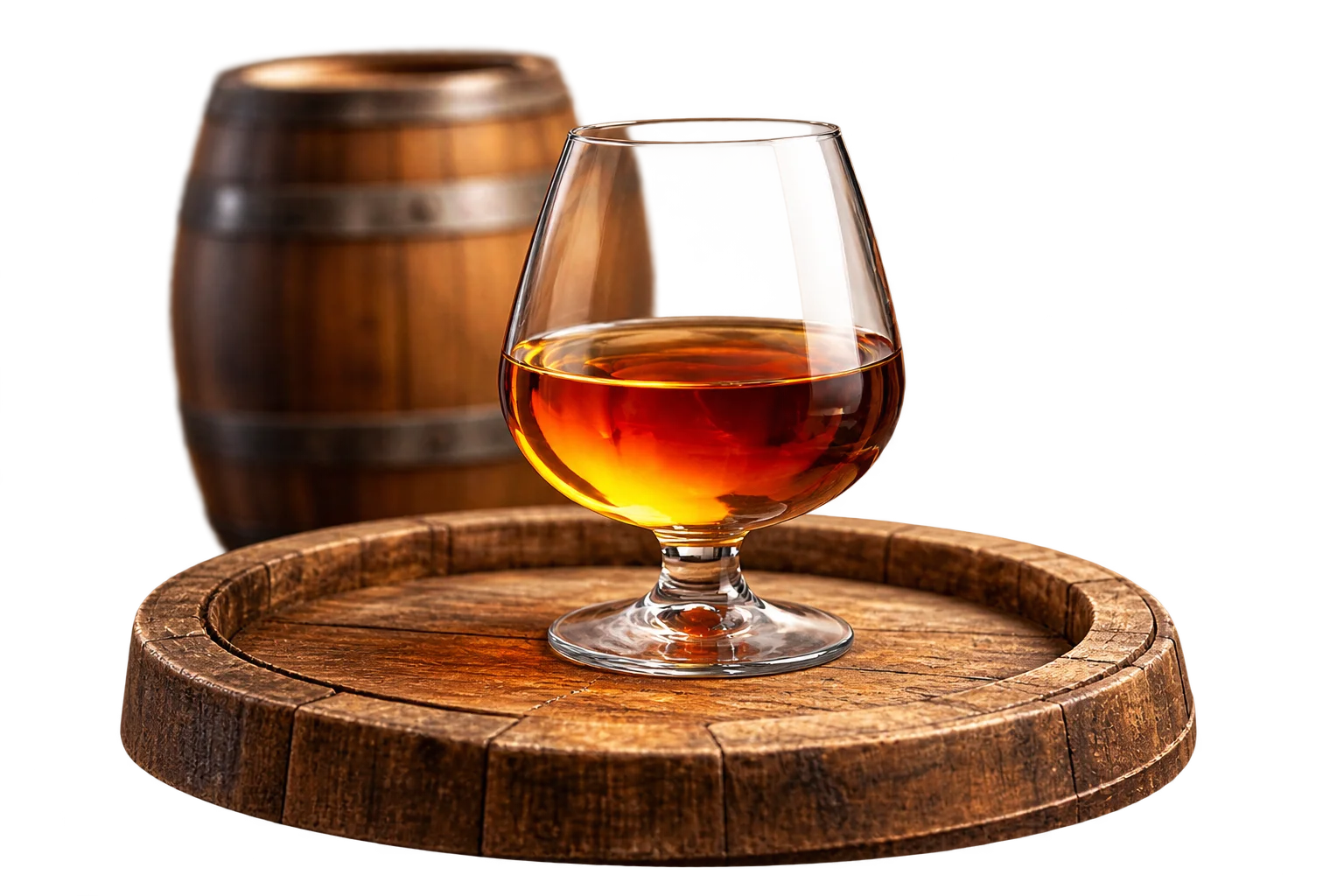
The birth of the modern industry
Andrés Brugal Montané founds Brugal & Co. in Puerto Plata.
Julián Barceló founds Barceló & Co. in Santo Domingo.
¿Did you know?
Designation of Origin
Dominican Rum has a Designation of Origin and technical specifications that regulate its production.
Aging in barrels
Aging in barrels is a fundamental part of the rum-making process.
02
Dominican Cacao
The key fact
Cacao cultivation has a long tradition in the Dominican Republic.
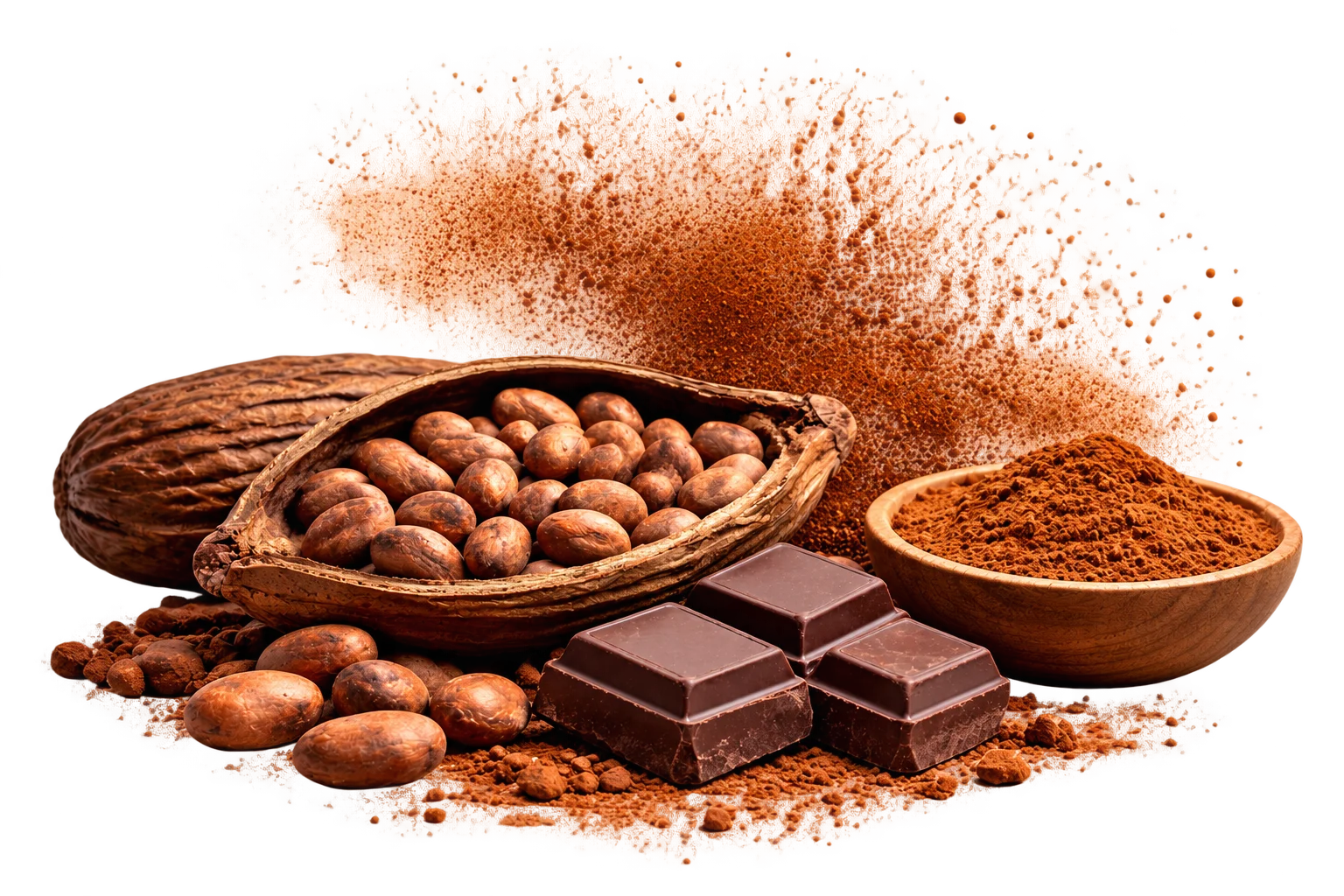
Cacao fermentation and processing
Sánchez Cacao
Cacao traditionally marketed without fermentation.
Hispaniola Cacao
Cacao that has undergone a fermentation process.
¿Did you know?
Producing regions
Regions of the country such as Duarte, El Seibo and Sánchez Ramírez maintain significant cacao-growing activity.
Fermentation and drying
Fermentation and drying are part of the post-harvest processes that influence the final characteristics of cacao.
Fine or flavor cacao
The Dominican Republic is internationally recognized as an exporter of fine or flavor cacao.
03
Mamajuana
The key fact
Mamajuana is a traditional beverage from the Dominican Republic made by macerating a combination of roots, barks and other ingredients.
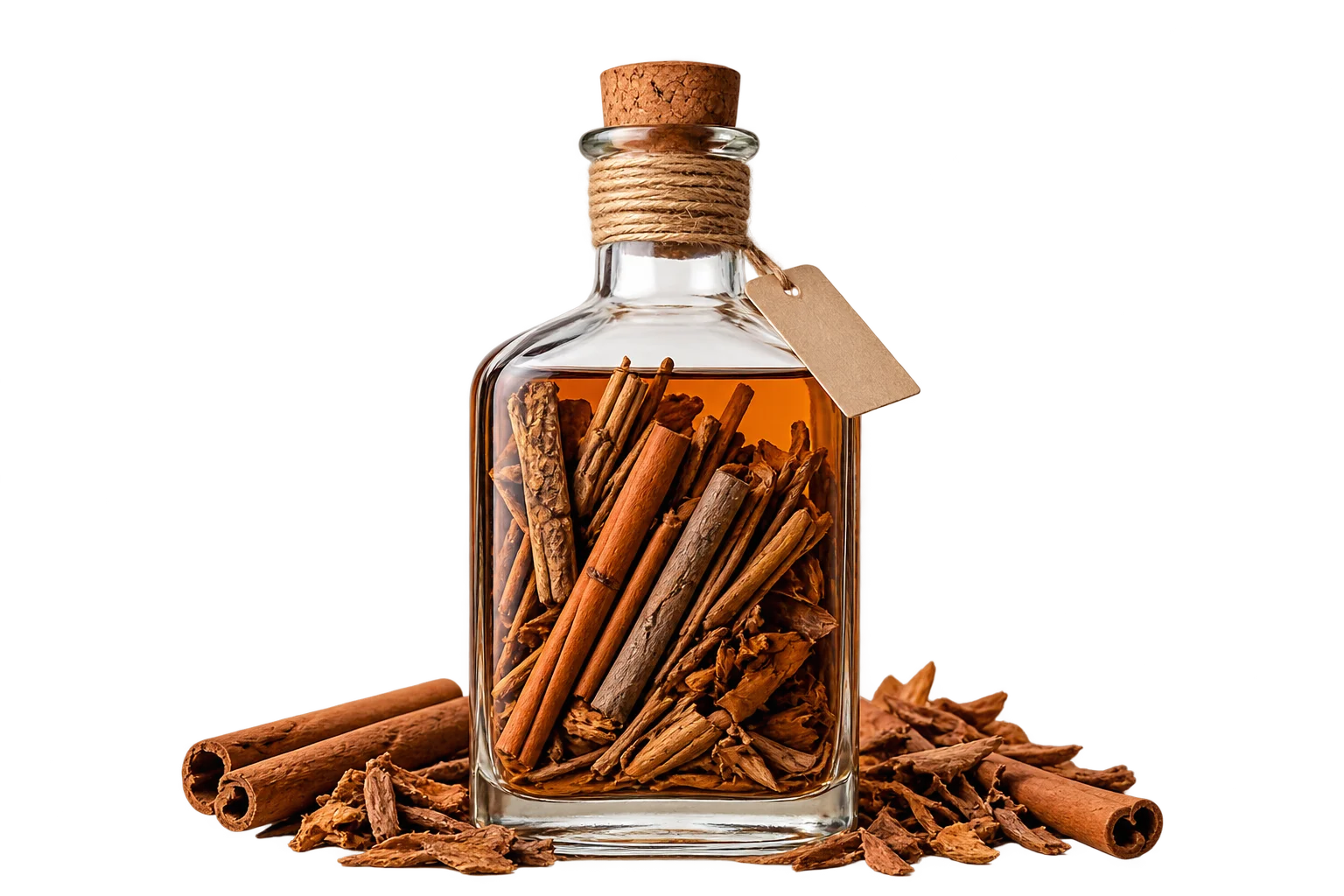
Ingredients and preparation
Dominican rum
Red wine and honey
Roots and barks
¿Did you know?
Different recipes
There are different preparations and recipes for mamajuana.
Curing
The wood used in the preparation may undergo a curing process before the final mixture is added.
Bottled production
In addition to its traditional artisanal preparation, mamajuana is also produced and commercially sold as a bottled beverage.
04
Dominican Coffee
The key fact
Coffee is part of the agricultural and cultural tradition of the Dominican Republic.

Cultivation and processing
Arabica species
Arabica coffee is grown in the Dominican Republic, including different varieties.
Wet processing
Wet processing, or the washed process, is one of the methods used to process coffee produced in the country.
The culture of “cafecito”
Coffee consumption is deeply rooted in everyday Dominican life.
Specialty coffee
The country also produces specialty coffee, with greater attention to origin, farms, production processes and bean traceability.
05
Dominican Cigar
The key fact
Tobacco has a long history on the island of Hispaniola, and its use dates back to the pre-Columbian period.
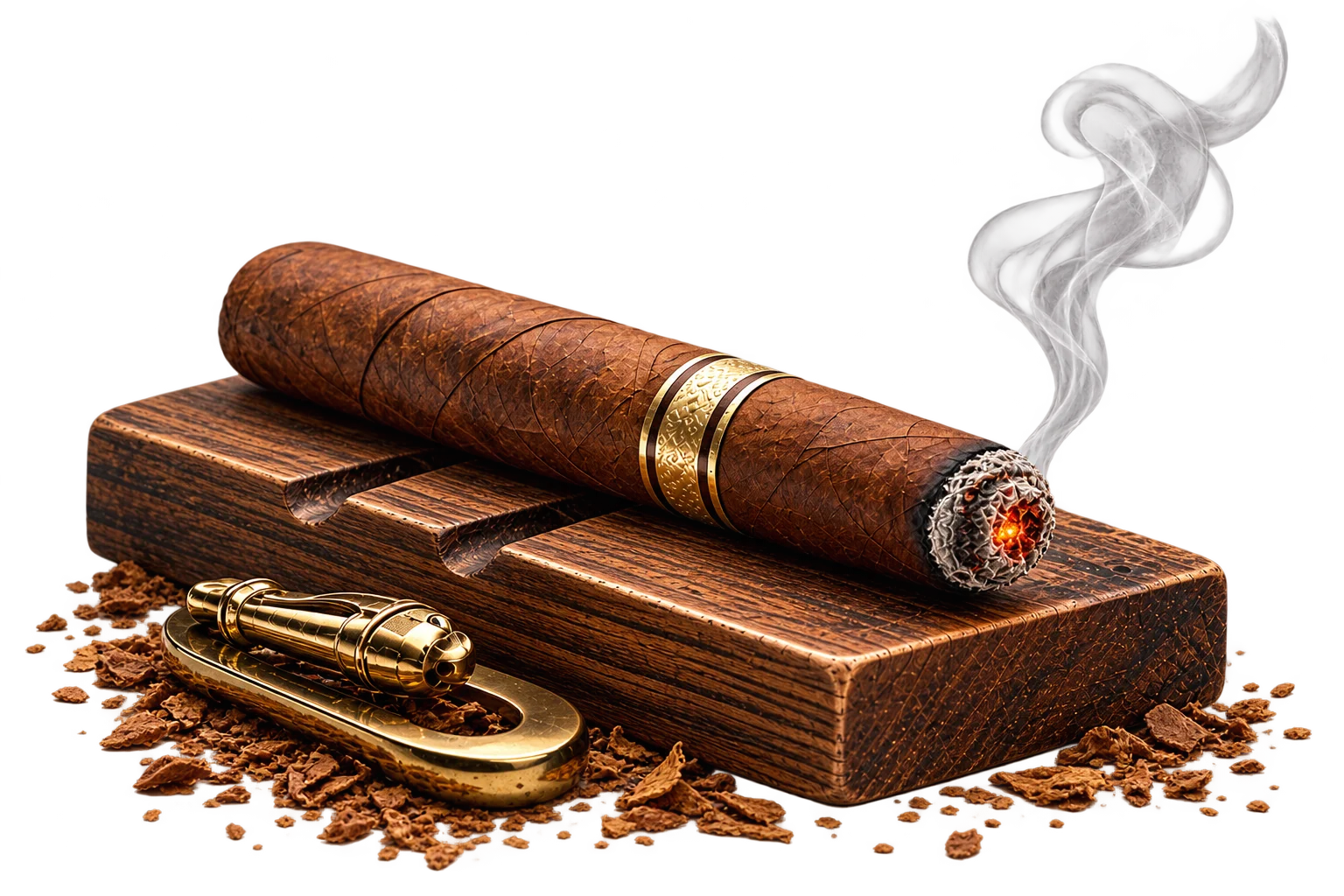
Anatomy of a premium cigar
The filler
A combination of leaves that forms the interior of the cigar.
The binder
A leaf that wraps around and holds the filler together.
The wrapper
Outer leaf of the cigar.
¿Did you know?
Cibao Valley and Santiago
Tobacco cultivation and production have a particularly significant presence in the Cibao Valley and the Santiago de los Caballeros region.
Development of the industry
Santiago de los Caballeros became one of the country’s main centers for cigar production.
Artisanal tradition
The production of premium Dominican cigars preserves a strong tradition of handcraftsmanship carried out by skilled artisans.